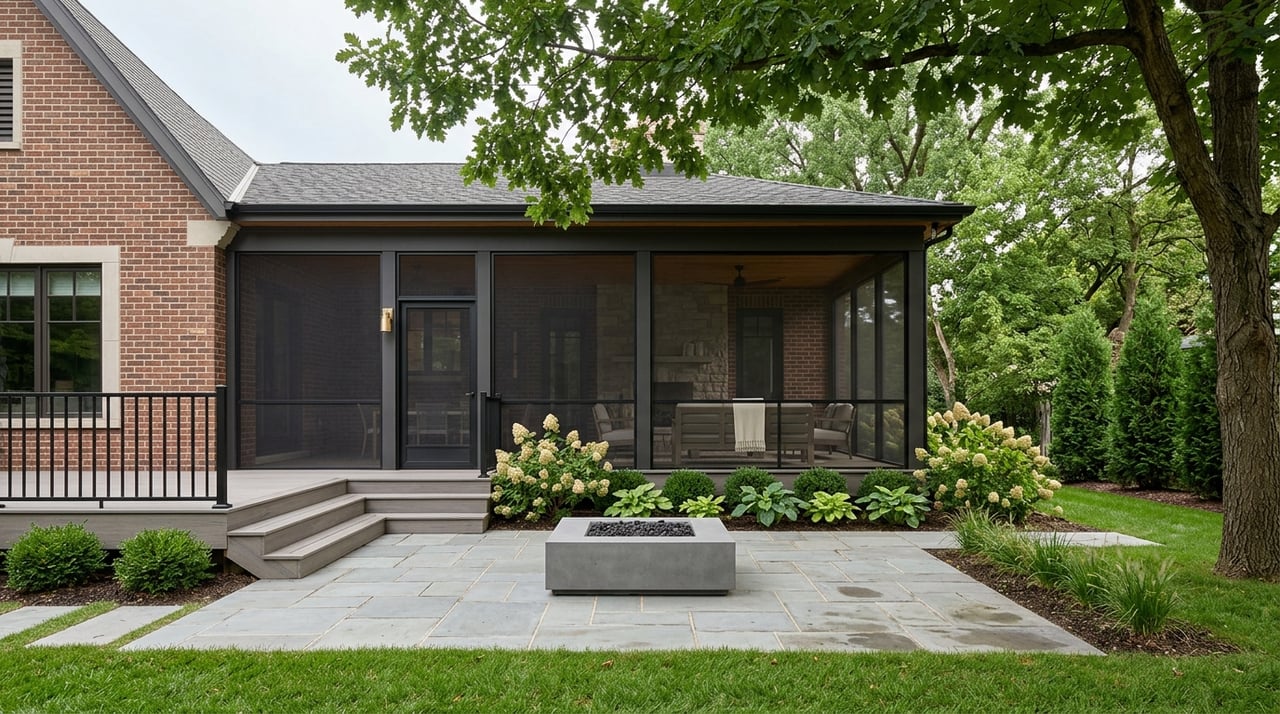
If your backyard feels more like unused square footage than a true extension of your home, you are not alone. In Hawthorn Woods, outdoor space matters because many homes sit on large lots, and everyday life often spills out onto decks, patios, and lawns. The good news is that the best outdoor upgrades do not have to feel flashy to add value and enjoyment. With the right ideas, you can create an outdoor setup that fits the way Hawthorn Woods homes are built and lived in. Let’s dive in.
Why outdoor living matters in Hawthorn Woods
Hawthorn Woods is built around large-lot, single-family living. Village information notes that many estates sit on one acre or more, and CMAP data shows the housing stock is overwhelmingly detached and owner-occupied, with many four-bedroom homes. That makes outdoor space a practical part of daily life, not just a bonus feature.
The local setting also supports this lifestyle. More than half of the community’s land use is single-family residential, and the village maintains 20 park sites across 180.02 acres. Preserves and parks emphasize trails, native plants, wetlands, and pollinator habitat, which helps explain why natural-looking, well-integrated outdoor spaces tend to feel right at home here.
Plan for a three-season lifestyle
Hawthorn Woods is best understood as a strong three-season outdoor market. Nearby climate normals show average temperatures moving from 49.7°F in April to 75.4°F in July, then back to 54.0°F in October, while January averages just 25.2°F. In real terms, that means spring, summer, and fall are your prime outdoor months.
That climate also shapes what works best. July and August average highs reach 84.5°F and 82.5°F, so shade and airflow matter in midsummer. If you want to get more use from your backyard, features like covered seating, screened areas, ceiling fans, and supplemental heat can make a big difference.
Choose designs that fit the home
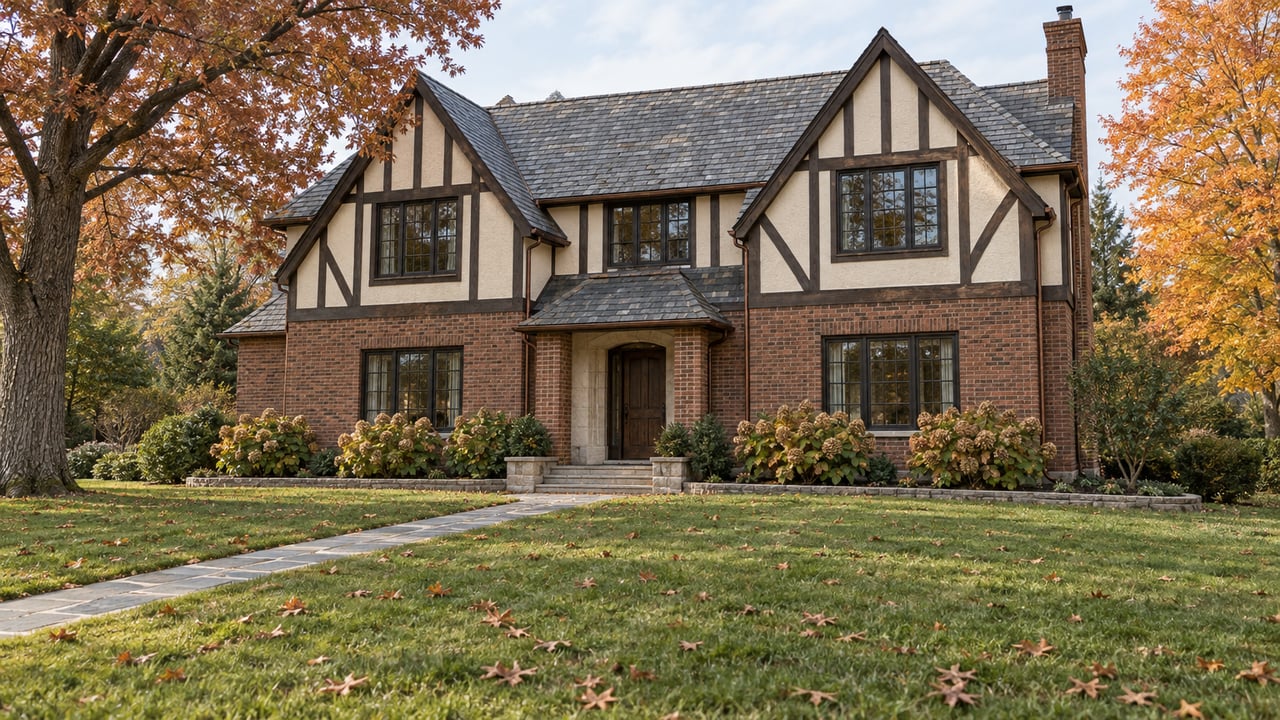
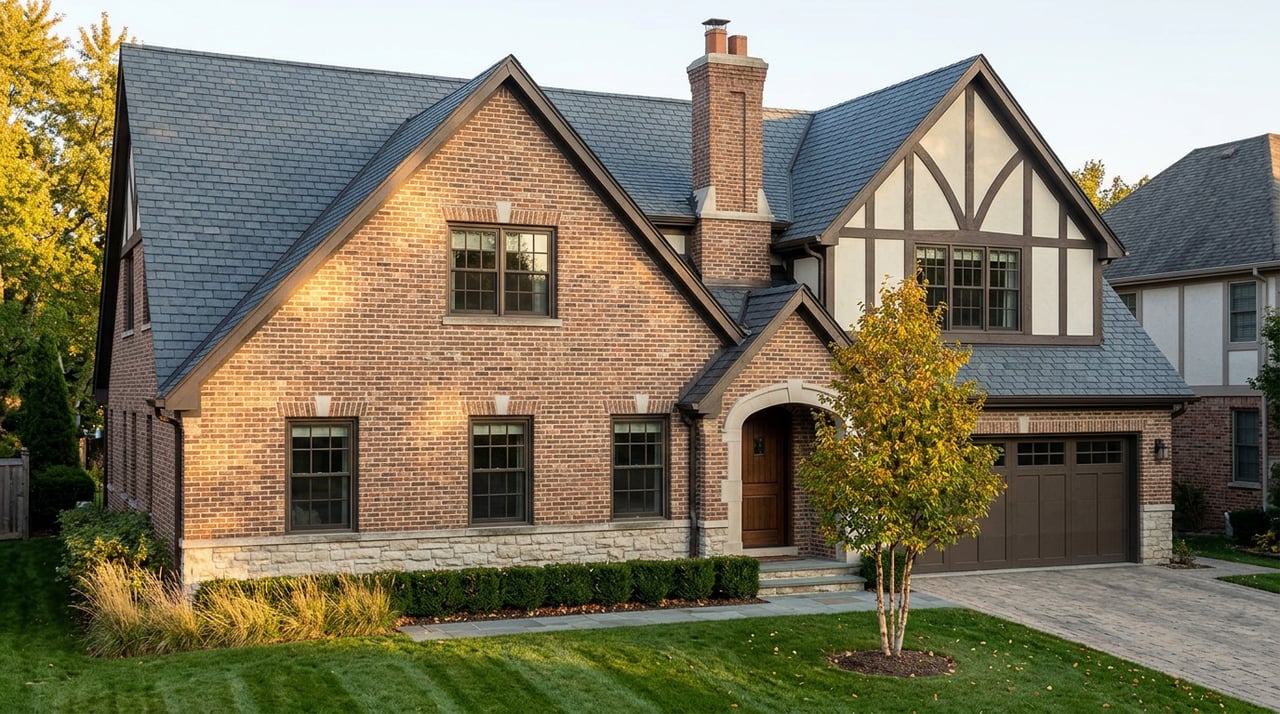
Hawthorn Woods homes are often described as Colonial Revival, Cape Cod, ranch, Georgian, and newer traditional styles. Because of that, the most believable outdoor spaces usually feel balanced, classic, and connected to the home’s existing architecture. A backyard that looks proportionate and permanent tends to make a stronger impression than something trendy or oversized.
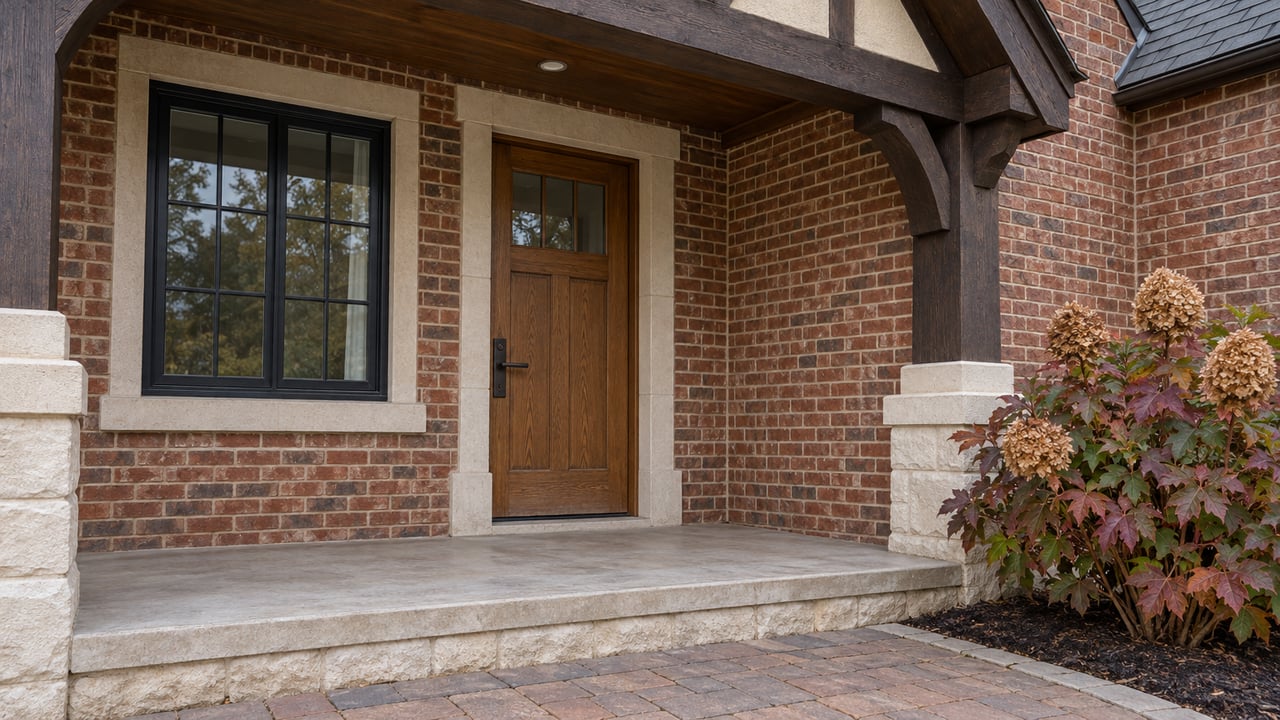
This is especially important if resale is part of your thinking. In a community known for estate-style homes and natural surroundings, outdoor areas usually work best when materials, colors, and shapes blend with the house. That can mean brick details, neutral-toned composites, traditional railings, or stone elements that echo the exterior.
Build a deck that feels intentional
A broad rear deck is one of the most practical outdoor-living upgrades for Hawthorn Woods homes. On a larger lot, a well-sized deck can create a clear entertaining zone without taking away valuable lawn space. It can also give you a direct and comfortable transition from the kitchen or family room to the backyard.
The village requires a permit before deck installation. Its deck guidance also calls for contractor registration, a site plan, survey copies, and well or septic approval when applicable. If the deck is 24 inches above grade, railing requirements apply, and accepted materials include cedar, Trex, and other approved composites.
From a resale standpoint, low-maintenance materials often make sense. A deck that looks like a natural extension of the home, rather than a separate platform, will usually feel more polished. Clean lines, durable finishes, and a practical layout for seating and grilling can help the space feel useful right away.
Add a screened porch for flexibility
If you want a feature that matches the local climate especially well, a screened porch is hard to beat. Warm summers and buggy shoulder seasons make screened outdoor space especially appealing in Hawthorn Woods. It gives you airflow and outdoor views while adding comfort during more of the year.
The village requires a permit before screen porch construction. If the construction cost exceeds $10,000, plans must be prepared by a licensed Illinois architect. The village also says attached screen porches need a continuous concrete foundation and should use like materials that blend with the existing home.
That last detail matters. In a community with many traditional-style homes, a screened porch tends to look best when it feels original to the house. Matching rooflines, trim, columns, and exterior materials can make the addition feel seamless.
Use patios to anchor the yard
A ground-level patio can be a smart choice if your home has a walkout basement, a generous rear yard, or a lawn you want to keep mostly open. Patios can create a gathering space without visually dominating the backyard. They also work well for outdoor dining, grilling, and casual seating.
Hawthorn Woods requires a permit for patio installation. Village guidance calls for positive drainage away from the house, a 10-foot separation from septic fields, and HOA approval if applicable. Those are important details to address early, especially on larger lots with private infrastructure considerations.
A good patio usually feels connected to the home and the rest of the yard. Think about how people will move from the rear door to the grill, from the seating area to the lawn, and from the patio to any garden or fire feature. That circulation can make even a simple design feel thoughtful.
Keep family-friendly yard zones
In Hawthorn Woods, a flexible yard layout makes a lot of sense. CMAP data shows that family households make up 93.5% of households, 35.8% are four-or-more-person households, and 27.1% of residents are ages 5 to 19. That suggests many buyers will appreciate outdoor spaces that support a mix of play, gathering, and quiet use.
One practical setup is to divide the backyard into three simple zones:
- A clear play lawn
- A hardscape area for seating or dining
- A planting zone for privacy or visual interest
This kind of layout helps the yard stay usable. It also supports sightlines from the house, which can be helpful when you want to keep the lawn visible from indoor living areas. Durable surfaces and open space often appeal more broadly than highly specialized backyard features.
Focus on shade, lighting, and low maintenance
Sometimes the most effective outdoor upgrades are also the simplest. Buyer-preference data from NAHB shows strong demand for patios, exterior lighting, front porches, and landscaping. In other words, the basics still matter, and they often have wider appeal than niche additions.
For Hawthorn Woods, shade planning is especially important. With warm summer highs, tree canopy, covered seating, or fans can make outdoor areas more comfortable. Since the village park system and preserves emphasize native plants, wooded trails, and pollinator habitat, landscaping that feels natural and restrained often fits the local character well.
Exterior lighting can also do a lot of work. It improves function, supports evening use, and helps define paths, patios, and entry points. When lighting is subtle and well placed, it can make the whole yard feel more finished without overwhelming the space.
Think carefully about fire features
Fire features can help extend outdoor use into cooler spring and fall evenings. In a three-season market, that can make a patio or seating area feel more valuable. They also create a natural gathering point in larger backyards.
The key is to keep the feature proportionate to the yard and the home. A modest fire feature tied into a patio layout will usually feel more intentional than something oversized that takes over the space. As with any exterior improvement, it helps when the design supports easy movement between the house, seating area, and lawn.
Know the permit details early
In Hawthorn Woods, permit planning is part of a successful project. The village Planning Department guides residents on lot area, lot width, lot coverage, building height, and setbacks. The Building Department handles plan reviews, permit processing, inspections, and occupancy certificates.
This matters because different outdoor features have different rules. Decks, patios, screen porches, gazebos, and similar projects all have separate guidance. For example, the village’s gazebo handout requires a permit, says the structure must sit at least 20 feet from side and rear property lines, and says it may not be enclosed for year-round use.
If your property has a well or septic system, that can affect layout too. Several village handouts reference setbacks and approvals tied to those conditions. Starting with a site plan and understanding the lot constraints can save time and help avoid redesigns later.
Choose upgrades with resale in mind
If you are improving your backyard with future resale in mind, simple usually wins. The most dependable message from the local context is that outdoor improvements should look permanent, proportional, and easy to maintain. That approach fits Hawthorn Woods lot patterns, village requirements, and common buyer preferences.
National Remodeling Impact data supports that strategy. The 2023 report found estimated cost recovery of 95% for a new patio and 89% for a new wood deck. It also reported 104% for landscape maintenance and 100% for an overall landscape upgrade.
That does not mean every project will return the same result. It does suggest that polished, practical outdoor spaces tend to resonate. In Hawthorn Woods, that often means durable materials, clear backyard zones, thoughtful shade, and landscaping that feels natural to the setting.
If you are weighing which project to tackle first, start with the one that improves daily use and broad appeal. A comfortable deck, a functional patio, or a screened porch that matches the home can make your property feel more complete today and more marketable later.
When you want advice on which outdoor updates make sense for your home, your lot, and your resale goals in Lake County, connect with Ivonne Payes.
FAQs
What outdoor living feature fits Hawthorn Woods homes best?
- For many Hawthorn Woods homes, the best fit is a deck, patio, or screened porch that feels proportionate to the house and lot, uses durable materials, and blends with the home’s existing style.
Do deck and patio projects in Hawthorn Woods require permits?
- Yes. Village guidance says permits are required for deck installation, patio installation, screen porch construction, and other outdoor structures such as gazebos.
Why are screened porches popular in Hawthorn Woods?
- Screened porches fit the local climate well because they can make spring, summer, and fall outdoor use more comfortable by helping with airflow and insect control.
What backyard layout works well for families in Hawthorn Woods?
- A practical layout often includes an open lawn area, a hardscape gathering space, and a quieter planting zone so the yard stays flexible and easy to use.
What landscaping style suits Hawthorn Woods properties?
- Landscaping that feels natural, includes shade, and uses cohesive planting beds often suits Hawthorn Woods well because it reflects the community’s emphasis on preserves, tree canopy, and native habitat.
What outdoor upgrades may help resale in Hawthorn Woods?
- Buyer-friendly upgrades often include patios, decks, exterior lighting, and landscape improvements, especially when they look permanent, low-maintenance, and well integrated with the home.