Thinking about buying a home that feels tucked away, quiet, and private in Deer Park? It is easy to focus on the trees, larger lots, and peaceful setting first, but a secluded home here comes with practical details you will want to understand before you make an offer. If you know what to look for, you can buy with more confidence and avoid surprises around utilities, maintenance, and future plans for the property. Let’s dive in.
What “secluded” means in Deer Park
In Deer Park, seclusion usually does not mean remote rural living. The village is known for long stretches of green space, low-density development, and largely one-acre residential zoning, with some larger farm and estate tracts.
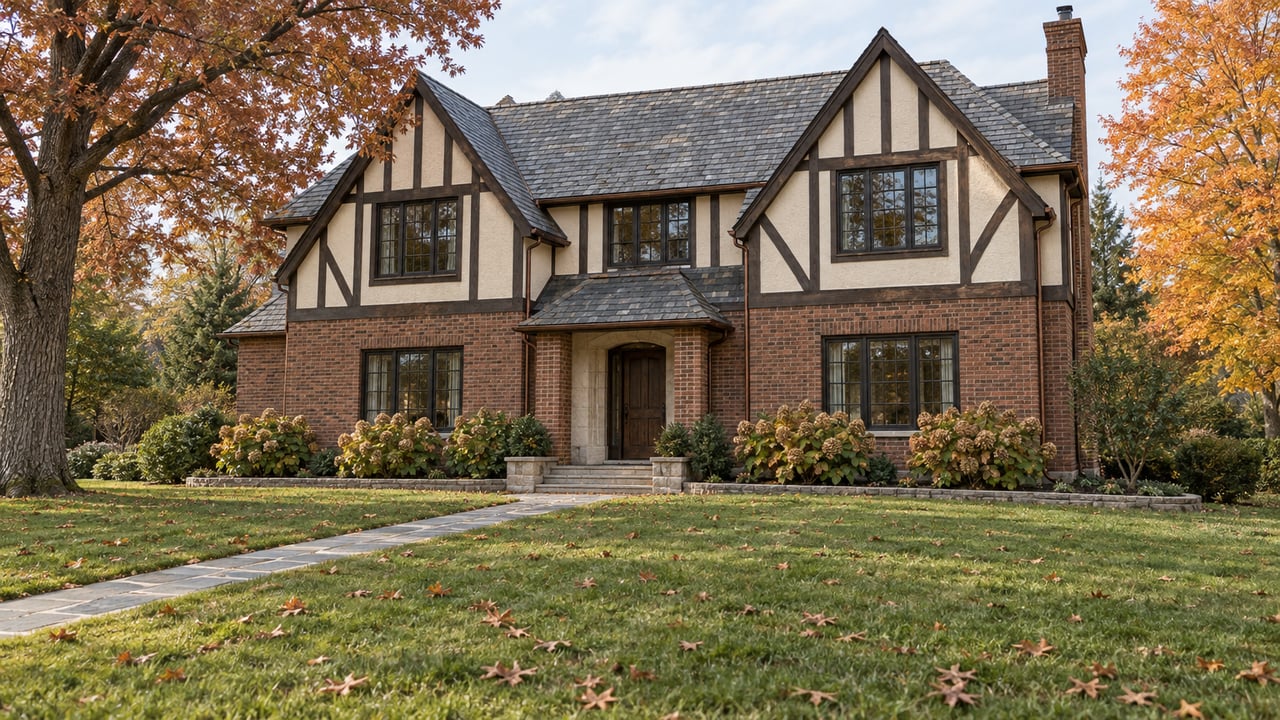
That local land pattern shapes what privacy looks like here. In many cases, a secluded home in Deer Park gets its feel from a larger lot, mature trees, landscaping, and nearby open space rather than total isolation from neighbors.
The village’s planning approach also supports that character. Deer Park aims to preserve green belt areas, retain open space, and keep development consistent with its rural characteristics, which helps protect the setting many buyers are looking for.
Why buyers are drawn to Deer Park
A big reason buyers consider Deer Park is the balance it offers. You can have more space and privacy at home while still staying connected to shopping, recreation, and regional travel routes.
The village highlights parks, ponds, wetlands, and trails, along with nearby Cuba Marsh Forest Preserve and Deer Grove Forest Preserve. If outdoor access matters to you, that can be a strong lifestyle benefit when comparing Deer Park to more densely built suburban communities.
There is also a practical side to the location. Deer Park says Lake-Cook Road and Rand Road connect to U.S. 53 and I-90, and nearby Barrington Metra service offers daily parking and a shuttle option.
Check water and sewer first
Before you get attached to any secluded property, confirm how it is served. In Deer Park, many homes use private wells, and Lake Michigan water is available only in the triangle along the Rand Road corridor.
Sewer setup can also vary by parcel. The village has separate municipal code provisions for private sewage disposal systems and public sanitary sewer service, so you should verify the exact water and sewer arrangement for the home you are considering.
This matters because the maintenance, testing, and long-term costs can differ. A private well and septic system can work well, but they require a different level of due diligence than public utilities.
Understand private well responsibilities
If the home has a private well, water testing should be part of your buying process. Illinois EPA says homeowners should test at least once a year for bacteria.
Illinois guidance also says suburban wells near business, industry, or gas stations should consider VOC testing. In addition, annual testing for total coliform bacteria, nitrates, total dissolved solids, and pH is recommended.
For buyers, the takeaway is simple: do not assume water quality based on appearance alone. Ask what testing has been done, when it was done, and whether updated testing is appropriate during your inspection period.
Look closely at septic systems
A secluded home may also come with a private septic system. That is not unusual, but it does mean you will want to understand the system’s age, condition, maintenance history, and layout on the lot.
General guidance says the average household septic system should be inspected every 1 to 3 years and pumped every 3 to 5 years. Deer Park also notes that toxic chemicals and excess water can harm septic performance.
Watch for warning signs during your review of the property. Slow drains, standing water, sewage odors, or unusually lush grass over the drainfield can all point to possible problems that need a closer look.
Review drainage on wooded lots
Drainage is another issue that deserves extra attention, especially on wooded or low-lying parcels. Deer Park operates a stormwater program, maintains a stormwater master plan, and asks residents to report drainage-feature problems.
That local focus is a reminder that grading and runoff matter. When you tour a home, pay attention to the slope of the land, any signs of standing water, and how water appears to move away from the house and outdoor living areas.
This is especially important if the lot’s privacy comes from heavy tree cover or a more natural setting. Those features can be beautiful, but they should be matched with good drainage planning and careful inspection.
Know the rules before you build
Many buyers of secluded homes picture future improvements like a deck, shed, pool, or home addition. In Deer Park, it is important to understand the approval process early.
The village’s planning page says building permits require submittal to the Planning and Zoning Commission and Village Board before permits are issued. If the property has a septic system, you also need to know where the septic tank, pump tank, absorption area, and replacement area are located before building over or near them.
This can affect how usable the lot really is. A property may feel expansive, but the practical buildable area can be more limited once setbacks, septic locations, and village review requirements are factored in.
Expect careful pricing on unique homes
Deer Park’s housing market sits in the mid-$700,000s based on current reported data. Recent market figures show median sale and listing prices around the mid-$700,000 range, with Zillow reporting a typical home value of $778,056 as of June 30, 2026.
Inventory is also relatively lean. Reported active listings range from 9 to 15 homes, depending on the source, and Redfin says homes were selling in about 47 days on average, while Realtor.com describes Deer Park as a seller’s market with a 101% sale-to-list ratio.
For secluded homes, pricing can get even more nuanced. Larger lots, heavier tree cover, and more private settings often mean fewer close comparable sales, so buyers should be ready for a more detailed comp review and possibly a longer search if they want a very specific setup.
Think about resale from day one
Privacy is attractive, but resale still matters. When you buy a home with an unusual lot shape, extensive tree cover, or a very custom site layout, you are also buying something that may appeal to a narrower group of future buyers.
That does not make it a bad purchase. It simply means you should weigh what makes the home special against what could affect value, maintenance, and future marketability.
This is where design and renovation insight can help. If a home offers privacy but needs updates, it is worth looking at which improvements could preserve the setting while making the property more functional and appealing over time.
Factor in everyday convenience
One of Deer Park’s advantages is that privacy does not have to mean giving up convenience. Deer Park Town Center is the main local retail anchor at Rand Road and Long Grove Road, and the shopping center reports more than 60 stores and restaurants.
For many buyers, that creates a helpful tradeoff. You may have a more private, tucked-away home life while still keeping errands, dining, and daily needs close by.
Still, the lifestyle is often more car-based than walkable. If you are moving from a denser area, that is something to keep in mind as you compare neighborhoods and lot locations within Deer Park.
Do not overlook local cost details
Every buyer should look at the full cost picture, not just the sale price. One useful local note is that the village says Deer Park does not impose a property tax, and its FAQ says there is no real estate transfer tax in Deer Park.
That does not replace a full review of your ownership costs, but it is a detail worth knowing as you budget. In higher-price ranges, small differences in carrying costs and closing costs can still matter.
A smart buying checklist
Before you move forward on a secluded home in Deer Park, keep this checklist handy:
- Confirm whether the home uses a private well or Lake Michigan water
- Confirm whether the property is on septic or public sanitary sewer
- Review recent well-water testing results and ask whether updated testing is needed
- Ask for septic inspection and maintenance records, if available
- Walk the lot with drainage in mind, especially after rain if possible
- Identify any standing water, runoff, or grading concerns
- Ask about permits for past improvements
- Review whether future plans like a pool, shed, deck, or addition may require village approvals
- Evaluate how lot layout, tree cover, and open space affect both privacy and resale
- Compare the property carefully against other low-density homes, not just by square footage
Why local guidance matters
Secluded homes can be some of the most rewarding properties to own in Deer Park, but they are rarely simple cookie-cutter purchases. The right home can offer space, calm, and a strong connection to nature, yet still require careful review of utilities, drainage, lot use, and pricing.
That is why local guidance matters so much. When you understand how Deer Park’s low-density zoning, open-space focus, and property infrastructure work together, you can make a decision that fits both your lifestyle and your long-term goals.
If you are exploring secluded homes in Deer Park and want practical, local insight on lot value, resale potential, and renovation possibilities, connect with Ivonne Payes.
FAQs
What makes a home feel secluded in Deer Park?
- In Deer Park, seclusion usually comes from one-acre zoning, mature trees, landscaping, and homes near open space rather than from true remote isolation.
What should you check about utilities before buying a secluded home in Deer Park?
- You should confirm whether the home has a private well or Lake Michigan water, and whether it uses a private septic system or public sanitary sewer service.
How often should a private well be tested for a Deer Park home?
- Illinois EPA says private well owners should test at least once a year for bacteria, and additional testing may be appropriate depending on the property location.
Why is septic inspection important for a secluded Deer Park property?
- A septic inspection helps you understand the system’s condition, maintenance needs, and any warning signs such as slow drains, odors, standing water, or drainfield issues.
Can you add a pool, shed, or deck to a secluded home in Deer Park?
- Possibly, but Deer Park says building permits require submittal to the Planning and Zoning Commission and Village Board before permits are issued, so you should verify requirements for the specific property.
Is Deer Park convenient for commuting and errands?
- Yes, Deer Park offers access to Lake-Cook Road, Rand Road, U.S. 53, I-90, nearby Barrington Metra service, and a major local shopping hub at Deer Park Town Center.