Looking for a Glenview fixer you can turn into real equity? Separating a true value-add from a money pit can feel tricky, especially when listings move fast and renovation costs vary. In this guide, you’ll learn how to spot promising homes, frame quick numbers to protect your budget, and navigate Glenview’s permits with confidence. Let’s dive in.
Why Glenview rewards value-add
Glenview’s housing stock gives you room to improve. Community data shows about 36.8% of homes were built between 1940 and 1969, with a median year built of 1977. That means many properties are mid-century plans that respond well to modern updates like kitchen and bath refreshes, finished basements, and layout tweaks. You can see the housing age mix in the CMAP Community Data Snapshot for Glenview. (CMAP Glenview profile)
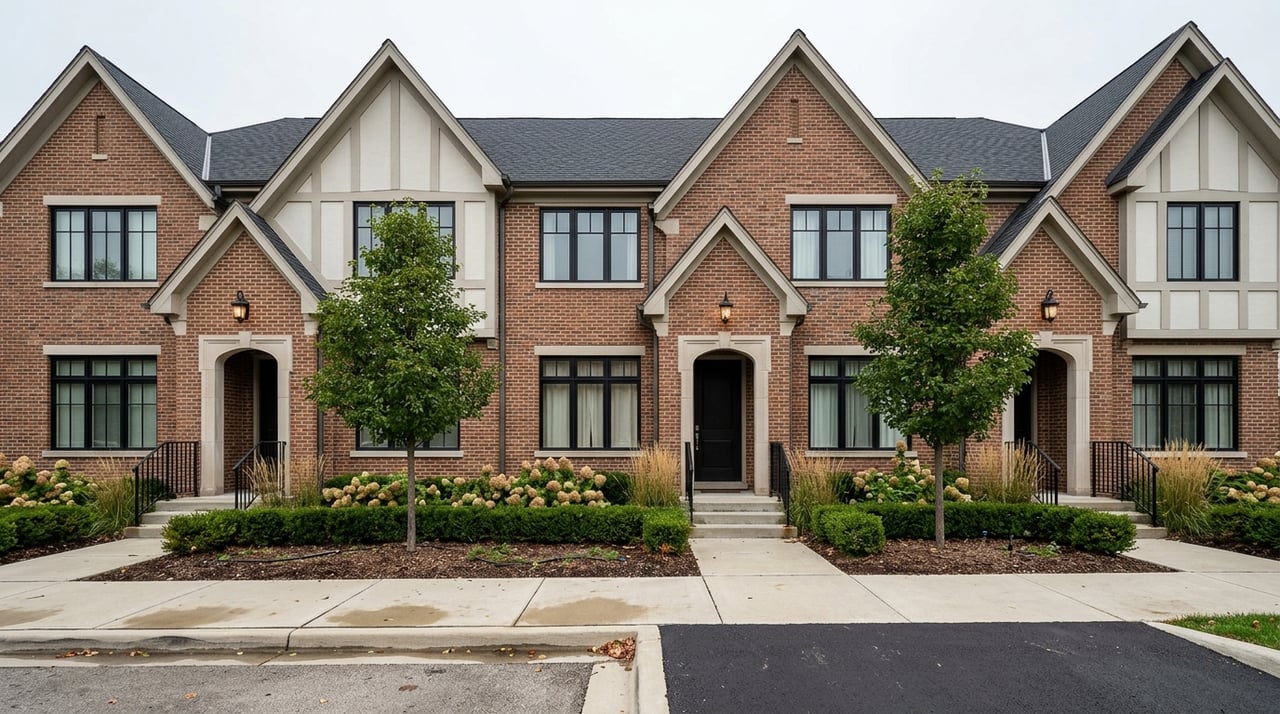
Not every area behaves the same. “The Glen” redevelopment includes newer townhomes and condos with more modern finishes. These homes often have less upside from basic cosmetic work, and they attract a different buyer set. If you are targeting value-add, focus your comps within similar product types and nearby blocks, and consider whether older single-family stock or newer attached homes best fit your plan. (ULI case study on The Glen)
Know the market baseline
Before you chase a deal, set your baseline for price and timing. Recent snapshots place Glenview’s median sale price around the high $700,000s and typical market time roughly one month. Other data sources show different values and faster days-to-pending. These differences come from methodology and time windows.
Why this matters: the local median and typical days on market help you estimate what a renovated home might sell for and how long you might carry a project. Always check the 3 to 6 month trend, not just a single month, since small sample sizes can skew the numbers. The MRED Local Market Update is a helpful reminder that monthly metrics can swing across property types. (MRED Glenview LMU)
Where opportunities cluster
Glenview’s older single-family neighborhoods feature ranches, split-levels, and postwar two-stories. These plans often allow for predictable improvements like opening a kitchen to living space, adding a bathroom, finishing a basement, or refreshing finishes throughout.
Newer attached homes around The Glen usually need less work to meet buyer expectations. Upside there may come from targeted updates or smart staging rather than full-scope renovations. Align your strategy with the home type you are buying, then run comps only against similar nearby properties.
Listing cues to watch
Screening smart can save you weeks. Start with these common signals:
- Days on market that are two to three times the local norm. Stale listings often signal condition or pricing friction, which can open the door to negotiation.
- Multiple price reductions in the first 30 to 90 days. Use listing filters for price cuts and “back on market” status to surface motivated sellers. (Price reduction and deal filters overview)
- Language like “as-is” or “estate sale,” and photos showing dated tile, original cabinets, carpet over hardwood, or cluttered rooms. Poor photography can hide solid bones.
- Ownership and public record tells. Out-of-town owners, probate cases, or code issues can indicate motivation. Your agent can research these details.
On-site red flags to respect
Bring a professional inspector to confirm the scope and protect your budget. Watch for:
- Structural, roof, foundation, or drainage issues that can escalate costs.
- Aging mechanicals like HVAC, water heater, and roof nearing end of life.
- Environmental considerations in homes built before 1978. Lead-based paint requires lead-safe work practices under the federal RRP rule, and some older materials may contain asbestos. Learn the basics and plan for safe compliance. (EPA RRP guidance)
Quick on-site checklist:
- Roof age and condition, attic ventilation, and gutters/downspouts
- Foundation cracks, grading, and signs of moisture in the basement
- Electrical panel capacity, plumbing supply and drain lines
- Furnace, AC, and water heater manufacture dates
- Sewer scope on older lines, especially before major bath or kitchen work
- Paint and flooring condition, especially in pre-1978 homes
Fast evaluation math that protects you
You do not need a complex model to filter deals. Start with two clear tools.
- The 70% rule for a quick maximum allowable offer (MAO)
- Formula: MAO is about 70% of the after-repair value minus your estimated rehab costs. Many investors use this as a first-pass screen, then adjust for holding costs or fees. (70% rule background)
Illustrative example:
- After-repair value from comps: $700,000
- Rehab estimate: $60,000, plus a 15% contingency = $69,000
- MAO ≈ ($700,000 × 0.70) − $69,000 = $421,000
If list price is under your MAO, move to deeper diligence. If not, pass or wait for a price cut.
- Cost vs. Value to sanity-check added value
- National and regional data show what typical projects recoup at resale. Recent averages: a minor midrange kitchen remodel around 113% recouped, a midrange bath around 80%, and a basement remodel around 71%. Local comps still rule, but these ranges help you avoid overbuilding. (Cost vs. Value 2025)
How to combine both fast:
- Set ARV using 3 to 6 closed comps from the same neighborhood with similar beds, baths, and lot size in the last 3 to 6 months.
- Pick a realistic scope and estimate costs. Add 10 to 20% contingency.
- Apply your target profit and expected carrying and selling costs to refine your MAO.
- Sanity-check the expected value lift using Cost vs. Value recoup ranges for your scope.
Permits and contractors in Glenview
Plan for permits early. Glenview requires permits for construction, enlargement, or alteration of buildings, and for most electrical, mechanical, and plumbing work. The Village’s Development Center outlines submittals, online applications, and same-day or expedited reviews for smaller scopes that qualify. At times, seasonal permit fee discounts may be offered for certain single-family projects, so it pays to ask. (Village of Glenview Development Center)
Hire registered pros. Glenview requires contractor registration for general and demolition contractors, including a certificate of insurance, workers’ compensation, and a $25,000 surety bond. Confirm registration before you start, since unregistered contractors can hold up permits or inspections. (Contractor registration portal)
Pro tip: speak with the Development Center before submitting. Early feedback can prevent re-submits, shave weeks off your schedule, and help you stage inspections in a smart order.
Renovations with predictable upside
If you are aiming for speed and broad appeal, focus on improvements that boost value and shorten time on market.
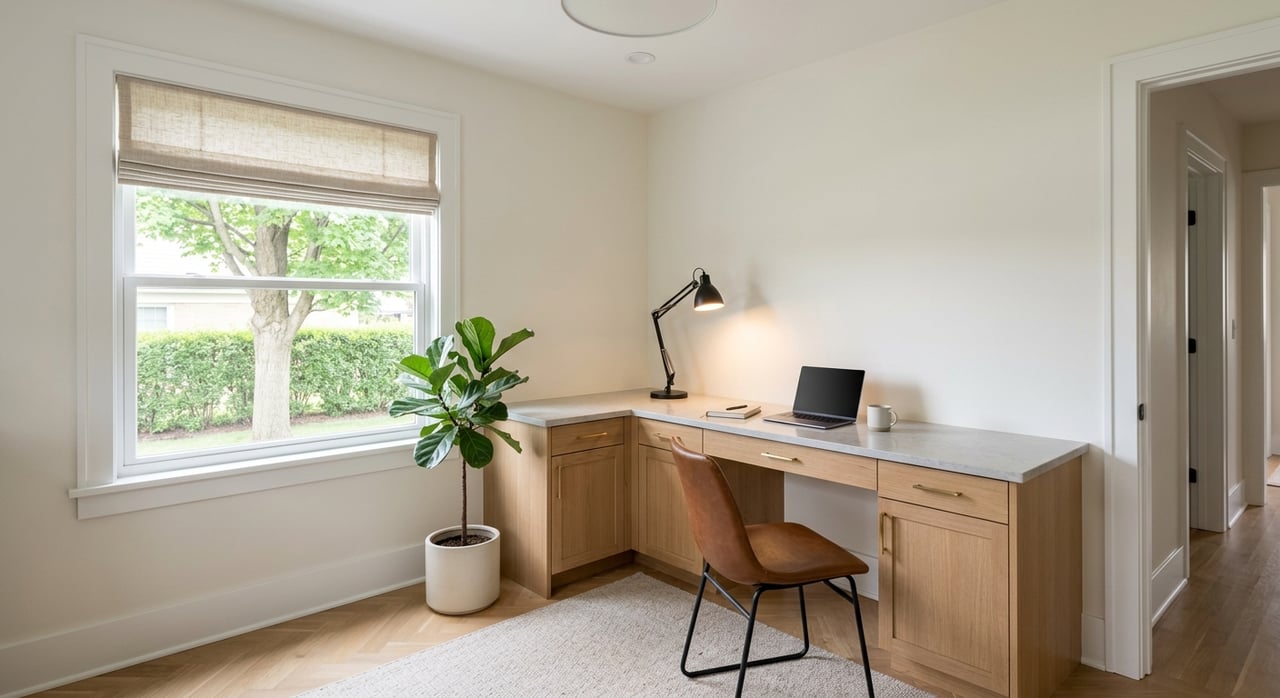
- Interior refreshes with high impact. Cabinet refacing or paint, new counters, modern fixtures, updated lighting, fresh paint, and durable flooring like engineered hardwood or LVP often deliver strong buyer response. Cost vs. Value shows many midrange projects recoup a large share of cost.
- Finished basements. Adding usable space can appeal to many Glenview buyers. Check comps with and without finished basements to quantify your lift.
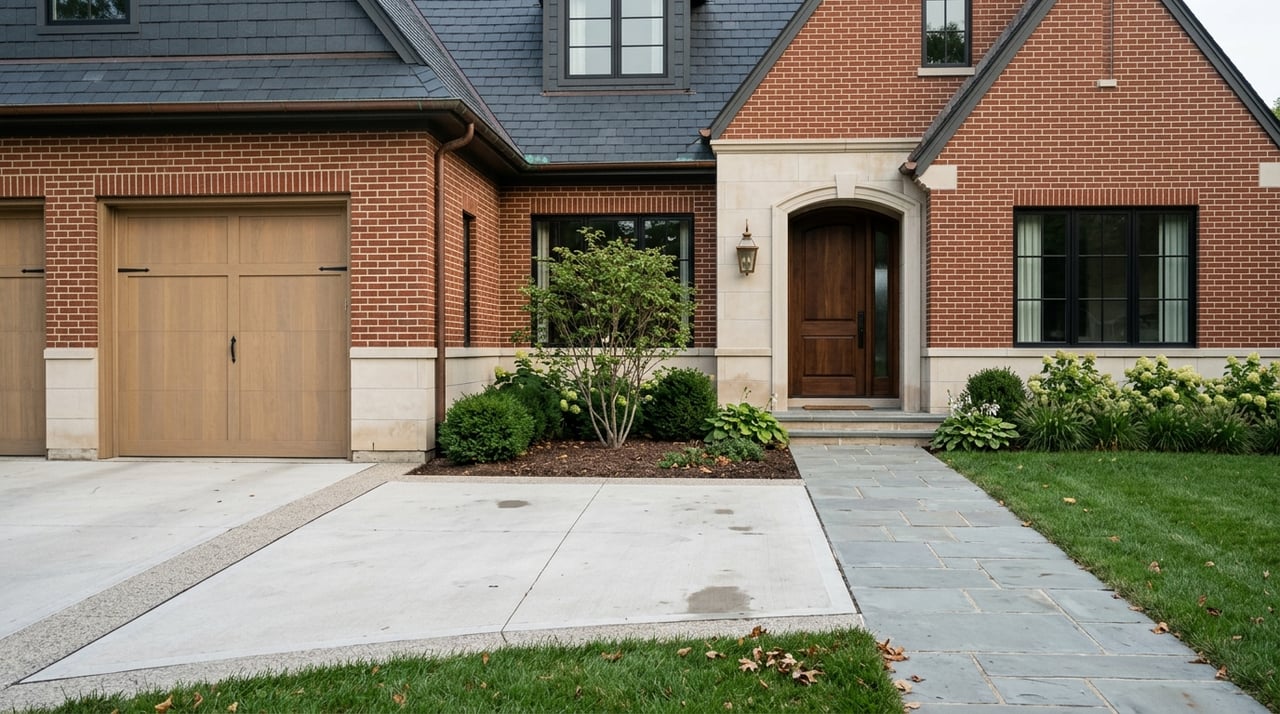
- Curb appeal. Entry doors, garage doors, siding repairs, and clean landscaping can help your photos pop and speed showings.
- Larger additions and ADUs. Treat these as longer-term plays. Recoup rates tend to be lower at resale unless your comps clearly support bigger square footage, and zoning and permitting add time.
Step-by-step search plan
Use this quick plan to move from browsing to offers with confidence.
- Define your target micro-area and product type. Decide whether you want older single-family homes or newer attached product. Keep comps within tight boundaries.
- Set your baseline metrics. Track the local median prices and typical days on market across the past 3 to 6 months. Note how trends shift by home type.
- Build your watchlist. Flag listings with long days on market, multiple price cuts, and “back on market” status. Note “as-is,” “estate,” and dated photos.
- Walk the right homes early. Visit top candidates and bring a contractor for a quick scope review. Capture roof, mechanicals, and potential layout changes.
- Pull 3 to 6 closed comps. Focus on recent closings similar in beds, baths, lot, and finishes. Avoid pending or active listings for ARV.
- Draft a line-item budget. Use unit costs or contractor input for major items, then add 10 to 20% contingency. Include permits, carrying costs, and selling costs.
- Run the math. Apply the 70% rule as a filter, then refine your MAO with your specific profit target and holding costs.
- Confirm permits and timing. Call the Development Center to validate submittals and whether any small scope could qualify for same-day review.
- Make the offer. Use an inspection period and permit contingency where appropriate. Price with discipline and be ready to walk.
- Plan your exit. Choose finishes that fit local comps, get pro photos, and time your list date to match demand patterns.
Work with a local partner
You do not have to do this alone. A local, design-savvy agent can help you analyze comps, spot layout potential, pressure-test the budget, and navigate Glenview permits and contractor requirements. If you want early access to opportunities, ask about off-market and coming-soon inventory that fits your criteria.
Ready to find your next value-add home in Glenview? Connect with Ivonne Payes for data-driven guidance, renovation insight, and a search plan tailored to your goals.
FAQs
What is a value-add home in Glenview?
- A property priced relative to condition that allows you to lift its after-repair value through updates like kitchen and bath refreshes, finished basements, or layout improvements supported by local comps.
How should I estimate after-repair value (ARV) in Glenview?
- Pull 3 to 6 recent closed comps in the same micro-area with similar beds, baths, lot size, and finishes, then set ARV from those sales rather than actives or pendings.
Do I need permits for interior remodeling in Glenview?
- Yes for most construction, electrical, mechanical, and plumbing work, with some small scopes eligible for same-day or expedited review through the Village’s Development Center.
Which renovations tend to recoup most in our area?
- Midrange projects like a minor kitchen refresh, a bathroom update, and a basement remodel often recoup a large share of cost based on Cost vs. Value data, but verify with nearby comps.
What listing signals suggest negotiation room in Glenview?
- Days on market well above the local median, multiple price reductions in the first 30 to 90 days, “as-is” or estate language, dated photos, and “back on market” status often point to motivation.