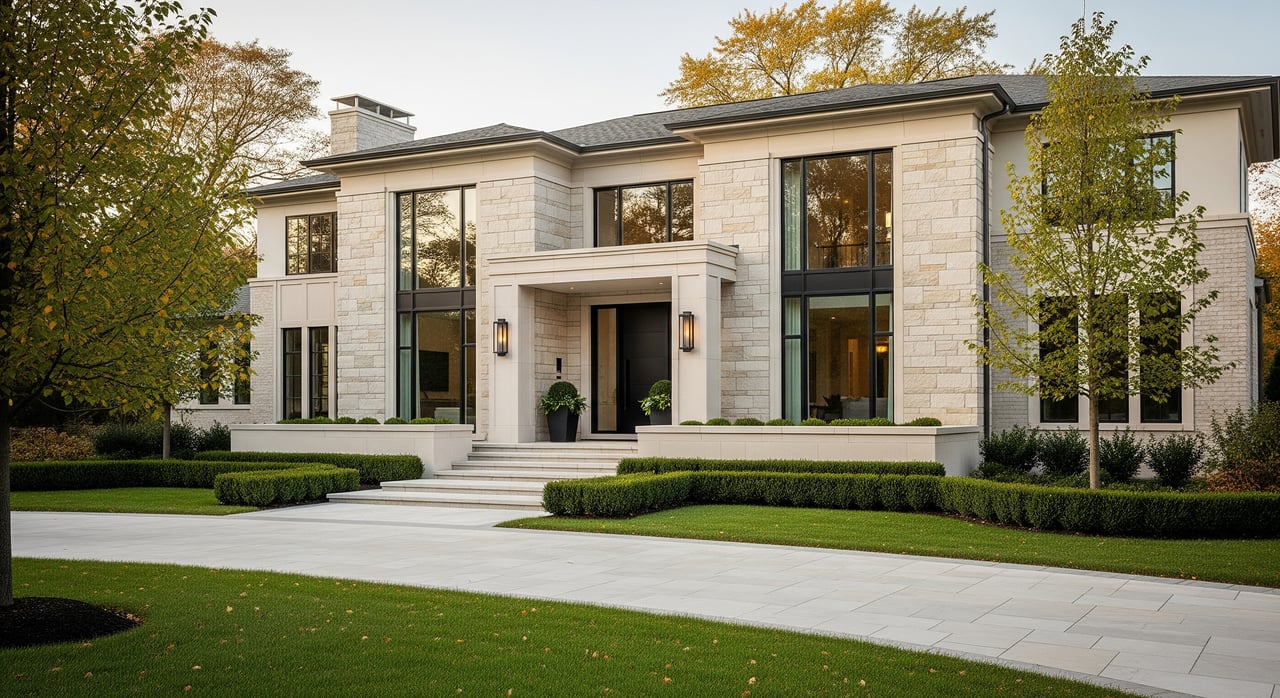
Wondering if a brand-new home or a well-kept resale is the better move in Vernon Hills? You’re not alone. With limited land for large new subdivisions and many established neighborhoods to choose from, the decision comes down to your timeline, budget, and lifestyle priorities. In this guide, you’ll learn how new construction and resale homes compare in Vernon Hills across pricing, timelines, inspections, warranties, HOAs, walkability, taxes, and financing. Let’s dive in.
How Vernon Hills housing works
Vernon Hills is a mature Lake County suburb with most neighborhoods built from the 1970s through the 1990s. You’ll find established streets with larger lots, mature trees, and varied architectural styles. You’ll also see newer infill homes, townhomes, and occasional small subdivisions in or near the village.
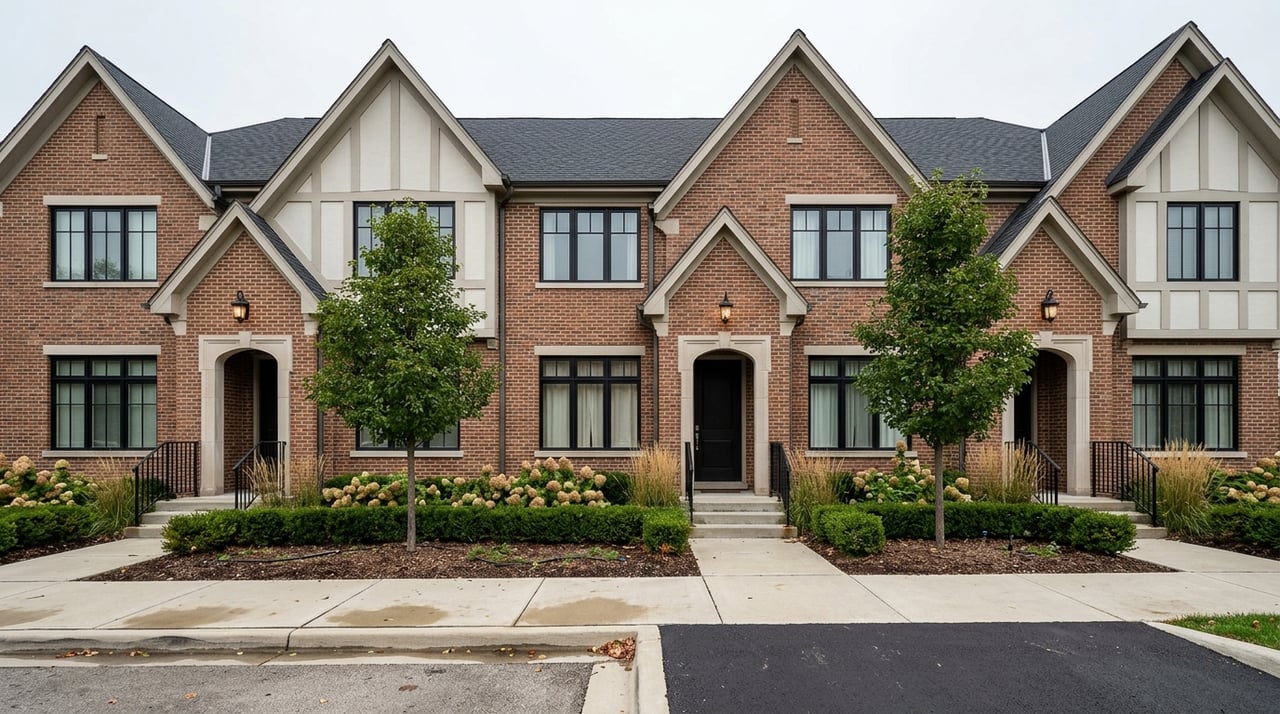
New construction here usually takes the form of infill single-family homes, small-lot detached projects, and attached townhome or condo communities. If you want a big yard and neighborhood character, resale is where you’ll find it. If you want modern systems and lower maintenance, newer builds and recent townhome communities shine.
Where new construction happens
Because the village is largely built out, look for new construction as:
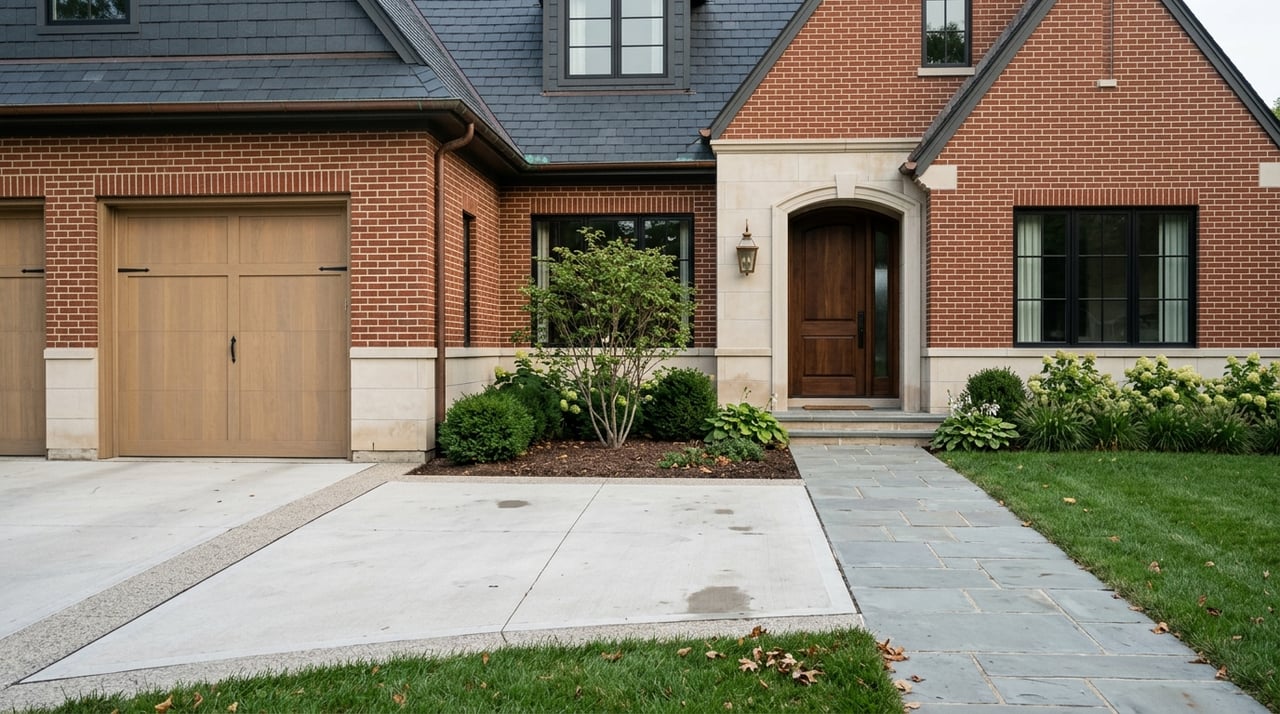
- Infill single-family homes on split lots or replacements.
- Small townhome or condo communities near retail corridors.
- Nearby subdivisions in adjacent Lake County municipalities.
What resales offer
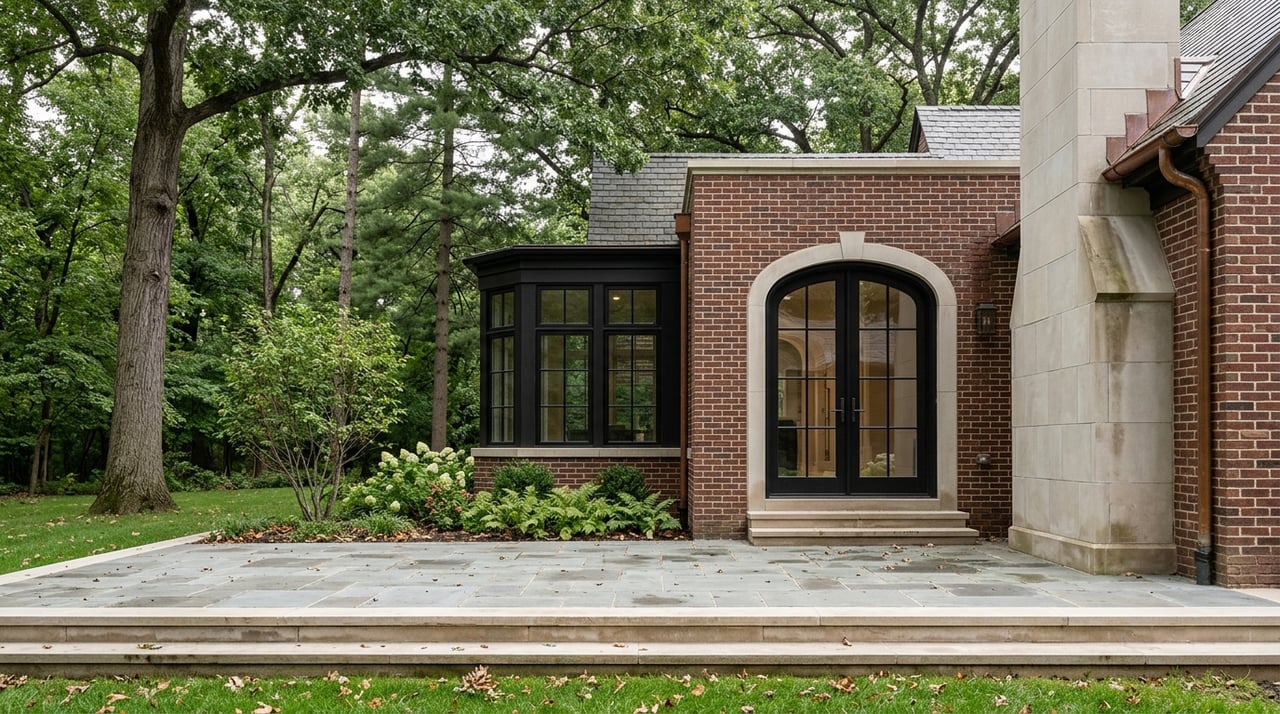
Resale homes in Vernon Hills often include larger lots, established landscaping, and more house for the price in interior subdivisions. Many have updates, but systems may be older. If you value space and a quiet interior street, resale can be a strong fit.
New construction vs resale: quick comparison
Pricing and value in Vernon Hills
New construction typically carries a premium for the “new-home” factor, energy efficiency, and builder margins. In Vernon Hills, compare apples to apples: lot size, school boundaries, proximity to Hawthorn Mall/Town Center, and property taxes can swing value.
Builders sometimes offer incentives like closing-cost help, rate buydowns, or upgrade packages when demand softens. These can narrow the gap between new and resale. If you’re tracking the market, check recent price-per-square-foot trends for both new and resale listings over the last 6–12 months.
Timeline and move schedule
- New construction: A completed spec home can close on a typical 30–60 day timeline. A semi-custom or custom build can take 6–12+ months, depending on contracts, permits, and the builder’s schedule. Village permitting, inspections, and utility hookups can add time.
- Resale: Usually faster. Once your inspection, appraisal, and financing are clear, closings often happen in 30–60 days.
If your current lease or sale date is firm, plan for temporary housing or a rent-back if needed. For builder deals, confirm what early or temporary occupancy options exist and read contract terms closely.
Warranties and peace of mind
Most reputable builders follow a version of the common “1–2–10” model: 1 year for workmanship/materials, 2 years for systems, and 10 years for major structural coverage. Terms vary by builder, so read the warranty carefully. For general background, see the National Association of Home Builders’ consumer resources on builder warranties at the NAHB research and consumer education hub.
Resale homes rarely include builder warranties, though you can request a seller-paid home warranty for the first year. Your main protection is a strong inspection and well-negotiated repairs or credits.
Inspections you should not skip
New construction still needs independent inspections. Municipal inspections are not a substitute for your own quality checks.
- Pre-drywall inspection: Catch framing, electrical, plumbing, and HVAC issues before walls close.
- Final inspection: Confirm safety items, finishes, appliances, and punch-list fixes before closing.
- Resale full home inspection: Assess structure, roof, foundation, mechanicals, and safety.
- Radon testing: Recommended across Illinois. Learn more from the Illinois Department of Public Health’s radon guidance. New homes may include passive or active mitigation; test regardless.
- Sewer scope: Valuable for older resales to check lines and prevent surprises.
HOA rules and fees
Many townhome and condo communities have homeowners associations that handle exterior maintenance and common areas. You’ll pay monthly assessments and follow community rules. In resales, request HOA financials, reserve studies, rules, and recent meeting minutes to assess reserves and any upcoming special assessments.
In Vernon Hills, some single-family subdivisions also have HOAs. Always confirm the management company, monthly fees, reserve funding, rental restrictions, and design/alteration approvals.
Walkability and amenities
Vernon Hills offers strong access to shopping, dining, and parks. The Hawthorn Mall and Town Center corridor anchor many daily needs. Newer townhome or infill projects near the village center can boost walkability. Interior single-family subdivisions usually offer quieter streets and larger yards, with a short drive to retail.
For commuters, proximity to I-94 and major arterials is a plus. Metra access varies by micro-location, so confirm station proximity and schedules for your target neighborhoods.
Taxes, insurance, and operating costs
Illinois property taxes are higher than the national average. Lake County determines assessments and tax bills at the county level. New construction assessments may phase in differently than resales, so ask for projections and examples. Start with county guidance from Lake County government and request sample tax bills or estimates.
Newer homes tend to have lower immediate maintenance and better energy efficiency. Older resales may need roof, window, or HVAC updates in the near term. Ask sellers or builders for utility cost estimates to compare total monthly costs.
Financing and builder incentives
Builders often partner with preferred lenders to offer rate buydowns, closing-cost credits, or upgrade packages. These can improve your monthly payment even if list prices are higher. Compare the long-term cost of incentives to a straight price reduction.
Custom builds may require a construction loan that converts to permanent financing at completion. Finished spec homes typically use standard purchase mortgages. Appraisals will look to recent comparable sales; incentives that lower your effective price can help align with comps.
A Vernon Hills decision framework
Choose your top priorities
Start with a quick checklist to focus your search:
- Must-haves: bedrooms, yard size, garage needs, commute access to I-94, single-level vs multi-level living, and school boundaries.
- Nice-to-haves: open plan, modern finishes, energy-efficient systems, smart-home wiring, walkability to Town Center/Hawthorn Mall, cul-de-sac frontage, and mature trees.
- Timeline: need to move in 2–3 months, or can wait 6–12+ months.
Match priorities to home type
- If speed matters most: look at resales or completed spec homes.
- If you want modern systems and the least near-term maintenance: new construction is a fit.
- If you want a larger private lot and established character: target interior resale subdivisions.
- If you want walkability and lower exterior maintenance: consider new or recent townhomes/condos near the Town Center corridor.
Micro-market examples in Vernon Hills
- Village/Town Center area: Best for walkability to retail and dining. Expect attached product types and HOAs. Review rules, parking, and noise considerations near commercial corridors.
- Interior single-family subdivisions: Best for yard space, mature trees, and more house for the price. Plan for older systems, potential updates, or renovation projects.
- Edge or adjacent developments: Best for brand-new product or specific builder features. Confirm commute patterns and any differences in taxes or services if just outside village boundaries.
Negotiation and timing
- In a tighter market: resales can draw multiple offers; builders may hold on price but offer financing incentives. Get pre-approved and be ready.
- In a balanced market: you can negotiate upgrades, seller credits, or better terms. Builders may have more flexibility on delivery timelines and packages.
- Always work with a local agent who knows Vernon Hills micro-neighborhoods and builder reputations.
Due diligence checklists and smart questions
Buyer due diligence checklist
- Compare recent comparable sales from the last 6–12 months in your immediate area.
- Request property tax history for resales and projected taxes for new builds.
- For new homes: obtain full builder warranty documents, coverage, and claim process.
- For HOAs: request governing docs, rules, budgets, reserve studies, recent minutes, and any pending special assessments.
- Inspections: pre-drywall (new), final independent inspection (new), full home inspection (resale), radon test (both), and sewer scope for older homes.
- Ask for utility cost estimates or energy models for high-efficiency features.
- Confirm permits and occupancy certificates with the Village of Vernon Hills. Start at the Village of Vernon Hills website for building and permit contacts.
Questions to ask a builder
- What’s included in the base price vs upgrades, and what are current incentives?
- Can I schedule independent pre-drywall and final inspections?
- Can I review the full “1–2–10” or equivalent warranty documents and claims process?
- What is your timeline from contract to close, and what could delay it?
- Where can I see recent completed projects in Vernon Hills or Lake County?
Questions to ask a seller or listing agent
- What is the age and condition of the roof, HVAC, water heater, windows, and electrical service?
- Which recent renovations were permitted, and are there transferable warranties?
- Are there any lot considerations like drainage, easements, or foundation history?
- What are the typical monthly utilities, tax bills, and insurance costs?
- Are there any planned nearby developments or road projects that could change the area’s feel?
Next steps and local guidance
Your best choice comes down to how you balance timeline, maintenance, walkability, and long-term costs. If you want the newest systems and a clean slate, a new build or recent townhome near the Town Center may be ideal. If you prefer more space, mature trees, and neighborhood character, a well-maintained resale in an interior subdivision can deliver strong value. With a local partner who knows both sides, you can compare options with clarity and confidence.
If you’d like a tailored search that weighs renovation potential against new-build incentives, or if you want access to exclusive off-market options, connect with Ivonne Payes. We’ll help you line up inspections, read HOA docs, and run the numbers on taxes and financing so you can move forward with certainty. Se habla español.
FAQs
What should I compare when pricing new vs resale in Vernon Hills?
- Match lot size, school boundaries, property taxes, and proximity to retail/commute routes, then compare recent price-per-square-foot for each micro-area.
How long does new construction take compared to resale closings?
- A finished spec home can often close in 30–60 days, while semi-custom or custom builds typically need 6–12+ months. Most resales close in 30–60 days after inspections and financing.
Do I need inspections on a brand-new home in Illinois?
- Yes. Schedule pre-drywall and final inspections. Municipal inspections do not replace independent quality checks, and you should still test for radon.
How do property taxes work for new construction in Lake County?
- New homes may have assessments that phase in differently. Ask for projected taxes and consult Lake County guidance, then include taxes in your affordability plan.
Are HOAs common for Vernon Hills townhomes and condos?
- Yes. Most attached communities have HOAs with monthly assessments and rules. Review budgets, reserves, restrictions, and any pending special assessments before you commit.