Trying to decide between a character-filled loft and an amenity-rich high-rise in River North? You are not alone. Many Chicago buyers love the neighborhood’s energy but want clarity on daily living, costs, and resale. This guide breaks down what matters most so you can tour smarter, compare apples to apples, and choose with confidence. Let’s dive in.
River North at a glance
River North sits just north of the Loop with dense, walkable blocks, dining, galleries, and nightlife. You will find historic industrial conversions alongside modern towers. Prices vary widely by building, floor, exposure, and amenities. Buyer preferences often split between space and character in lofts and convenience and services in high-rises.
Loft vs high-rise basics
What defines a River North loft
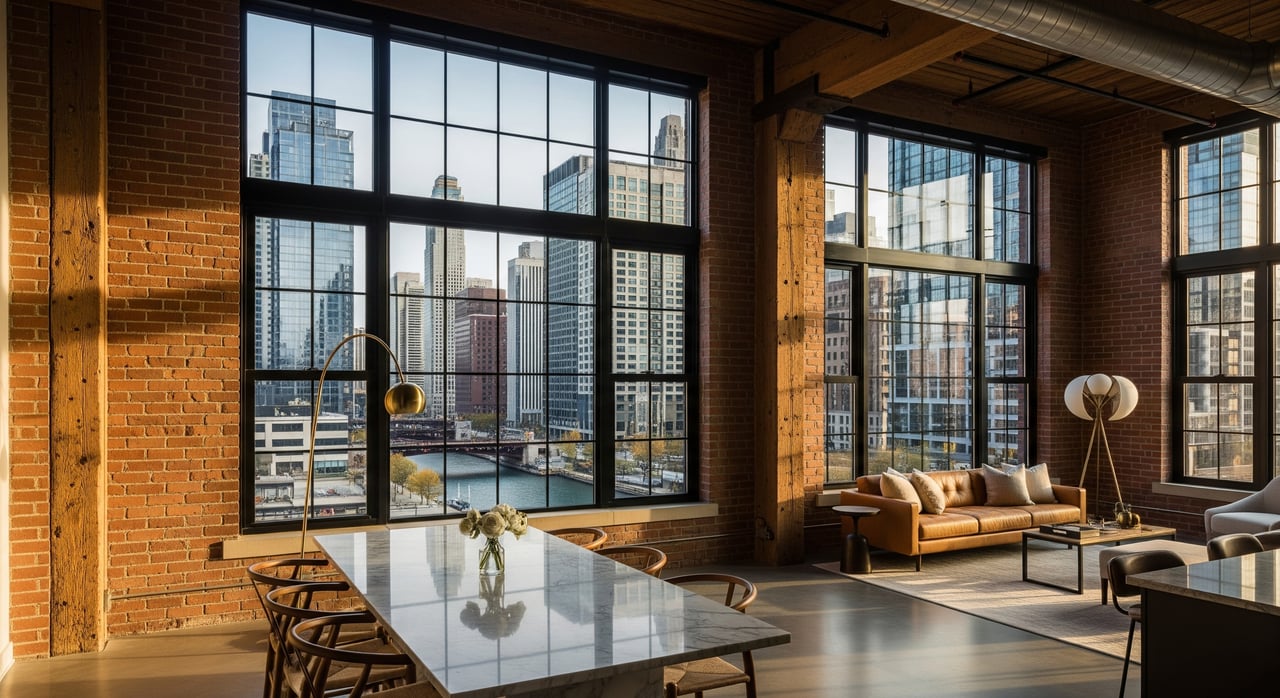
Lofts are typically converted brick, steel, or timber buildings from the late 19th or early 20th century. Expect high ceilings, large multi-pane windows, exposed beams, and flexible open layouts. Floor plans can be irregular with fewer enclosed rooms and limited closets. Many are boutique buildings with minimal amenities and lower monthly fees, though older structures can carry deferred maintenance.
What defines a River North high-rise
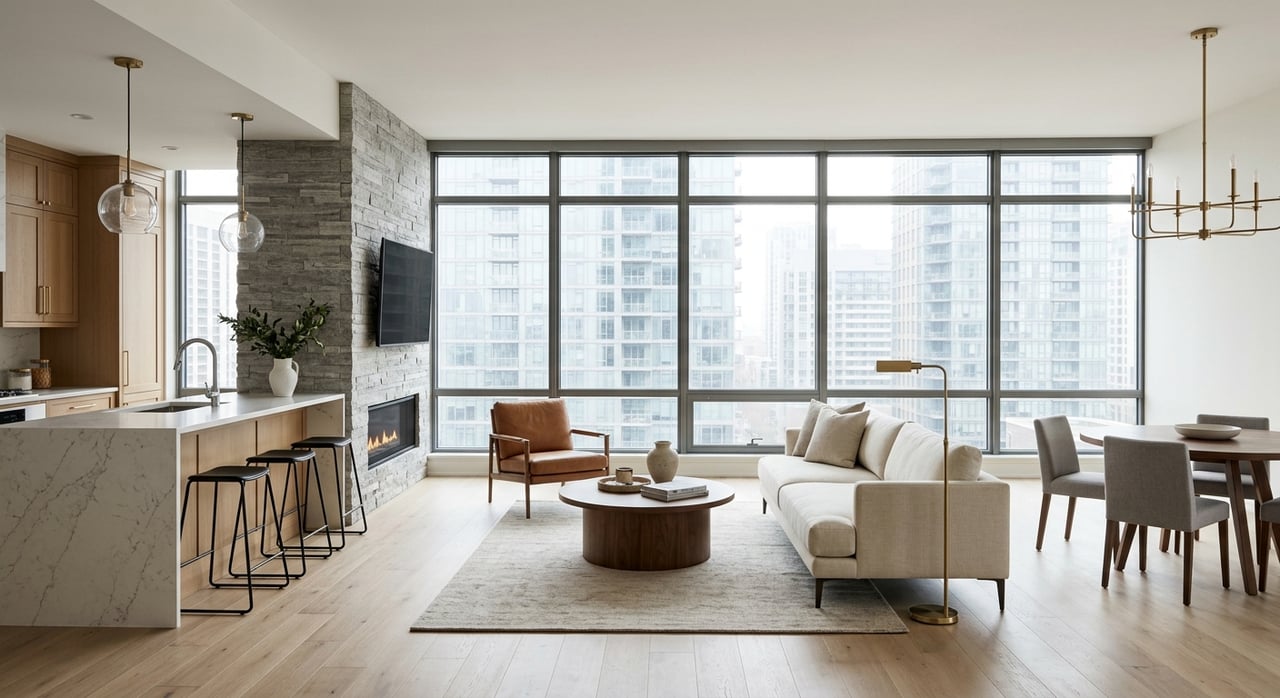
High-rises are modern concrete, steel, and glass towers, generally post-1980s. You will see floor-to-ceiling windows, balconies on many floors, and full-service amenities like doorman, fitness centers, and pools. Layouts are more conventional with better closet space and in-unit laundry options. Monthly assessments tend to run higher due to staffing, building systems, and amenities.
Light and views
Lofts often deliver tall ceilings and large windows that bring in great light, especially with skylights or clerestories in some buildings. Light can be limited in deeper floor plans or interior units, and views are usually more street or mid-rise than skyline. High-rises frequently offer stronger directional light patterns and big views, especially on higher floors facing the river or skyline. On the flip side, deep east or west exposures can create summer glare and heat, so check window orientation and glazing type.
Sound and privacy
Older loft construction with timber joists and brick or metal partitions can transmit impact and voice noise between units. Large open rooms can also echo. High-rises often use concrete slab construction that improves sound isolation between floors. You should still listen for elevator activity, HVAC hum, or amenity traffic near gyms and pools that can add background noise on certain levels.
Layout and function
Lofts lean into open-plan living, flexible furniture arrangements, and architectural detail. You may trade enclosed bedrooms and storage for volume and character. Custom millwork can add closets and built-ins, though structural columns or ductwork may limit how you reconfigure space. High-rises provide defined entries, separate bedrooms, utility closets, and built-in storage that make daily living straightforward. Many include space for a desk or den, plus in-unit laundry.
Amenities and services
Loft buildings range from minimal common areas to modest rooftop decks and small gyms. Fewer amenities can reduce monthly fees, but you get less on-site service. High-rises tend to include 24-hour door staff, on-site management and maintenance, fitness centers, pools, package rooms, and bike storage. These conveniences come with higher assessments, and some amenities can have extra user fees. Always verify what is included in dues versus paid separately.
HOA fees, reserves, and maintenance
Assessments cover different scopes across buildings, from insurance and water to staff, elevators, HVAC systems, and amenities. High-rises commonly carry higher monthly fees because of building systems and services. Lofts can look affordable month to month, yet older roofs, masonry, façade work, or elevator modernization can lead to special assessments. Ask for the current budget, reserve study, meeting minutes, and the history of special assessments to gauge building health.
Pet rules to review
Pet policies vary by association. Some towers set size or number limits, require registration, or charge deposits or fees. Smaller or owner-occupied loft associations can be more permissive, though restrictions can still apply. If you have a service animal or ESA, expect documentation procedures in line with federal and state law. Get the policy in writing and confirm any balcony or terrace rules for pets.
Financing and appraisal
Some smaller or irregular conversions may be non-warrantable, which can limit lending options and remove FHA or VA paths. This affects your buyer pool and resale liquidity. Unique loft features can be harder to appraise, which means comps need thoughtful adjustments for ceiling height, historic finishes, and amenities. Confirm whether a building is FHA or VA approved and what loan programs recent buyers used.
Resale appeal
Lofts attract buyers who prioritize authentic character, open space, and architectural details. They can command premiums for exposed brick, beams, or original windows, though market times may stretch when tastes shift. High-rises usually draw a broader audience that values convenience, security, and amenities. In most towers, higher floors and river or skyline views support stronger pricing. Building reputation, management quality, unit condition, and financing availability all influence resale.
How to choose your fit
- Choose a loft if you love volume, original materials, and flexible layouts, and you are prepared to review building reserves and potential capital projects.
- Choose a high-rise if you want predictable layouts, full services, and strong views, and you are comfortable with higher monthly assessments.
- Either way, prioritize window orientation, sound, mechanical systems, and the association’s financial health.
Tour checklist
Use this list during showings and open houses:
- Natural light, direction, and any obstructions from neighboring buildings.
- Window type and condition, including seals and ease of operation.
- Ceiling height, columns, and exposed ducts that affect furniture placement.
- Sound at different times of day, including elevator, HVAC, amenity, and street noise.
- HVAC type and age, service records, and thermostat control.
- Water pressure, water heater age and location, and electrical panel capacity.
- Closet space and options for additional storage lockers.
- Any stains, moisture, or musty odors, especially in older masonry.
- Finish condition, from floors and cabinetry to window frames.
- Lobby, hallways, elevator cleanliness, and amenity condition and usage.
- Package handling and delivery security.
- Exterior elements like façade condition, roof, balconies, and garage access.
Questions for the listing agent
- Why is the seller moving and how long has the unit been on the market?
- How long has the current owner lived here and are there any known issues or past repairs?
- Which utilities are included in the assessment and what are typical monthly utility costs?
- Are any fixtures or built-ins excluded from the sale?
- Is the unit tenant occupied and what are lease terms and move-out timelines?
- Is the unit FHA or VA financeable based on the association’s current status?
Questions for the association or management
Ask for written copies when possible:
- Current operating budget, recent financials, and reserve study with balances.
- Bylaws, rules and regulations, pet policy, and rental policy.
- Board meeting minutes from the last 12 to 24 months.
- Insurance declarations and deductibles.
- History of capital projects and special assessments over the last 5 to 10 years.
- Any pending litigation, code violations, or anticipated capital projects.
- Management contract details and contact information.
- Parking and storage assignments and related fees.
- Process and timeline for renovation approvals, including windows or structural changes.
- Whether the building is considered warrantable by major lenders or FHA or VA approved.
Closing logistics and costs to confirm
- Transfer fees and any move-in or move-out fees.
- Association charges for estoppel letters or condo questionnaires.
- Upcoming assessment increases that could affect mortgage underwriting post-closing.
- If the building is non-warrantable, which lenders and programs recent buyers used.
Design and renovation considerations
If you lean loft, evaluate where built-ins can add storage without disrupting character. Check how structural columns, ductwork, and risers affect potential reconfigurations. In high-rises, confirm building rules for flooring changes, appliance upgrades, or balcony work, and ask about quiet hours and contractor access. In both, review window condition, HVAC age, and electrical capacity before planning updates.
The bottom line
Both options can be great choices in River North. Lofts offer soul and flexibility, while high-rises deliver services and views. Focus on lifestyle fit, building finances, and your financing path. With a clear checklist and the right questions, you will compare confidently and buy well.
If you want tailored guidance on specific River North buildings, floor plans, or renovation potential, reach out to Ivonne Payes for a consultative walkthrough and next steps.
FAQs
What are the biggest cost differences between River North lofts and high-rises?
- High-rises usually have higher monthly assessments due to staff, elevators, HVAC systems, and amenities, while lofts may have lower dues but a higher risk of special assessments for older building components.
How do light and views compare in River North condos?
- Lofts offer tall windows and volume but often mid-rise or street views, while high-rises provide consistent light and strong river or skyline vistas on higher floors, with potential summer glare on east or west exposures.
Are lofts noisier than high-rises in Chicago?
- Many lofts use older timber and brick construction that can transmit sound, while concrete slab construction in high-rises often improves isolation, though elevators and amenities can add background noise.
What should I ask the condo association before I write an offer?
- Request the budget, reserve study, recent minutes, insurance summary, rules, rental and pet policies, history of special assessments, any planned projects, and whether the project is warrantable or FHA or VA approved.
How do financing options differ between lofts and high-rises?
- Some small or irregular conversions are non-warrantable and limit FHA or VA loans and certain lender programs, which can reduce your buyer pool and affect resale.
Which has stronger resale appeal in River North?
- High-rises often draw a broader audience that values services and views, while authentic lofts attract design-focused buyers and can command premiums for character features when demand aligns.