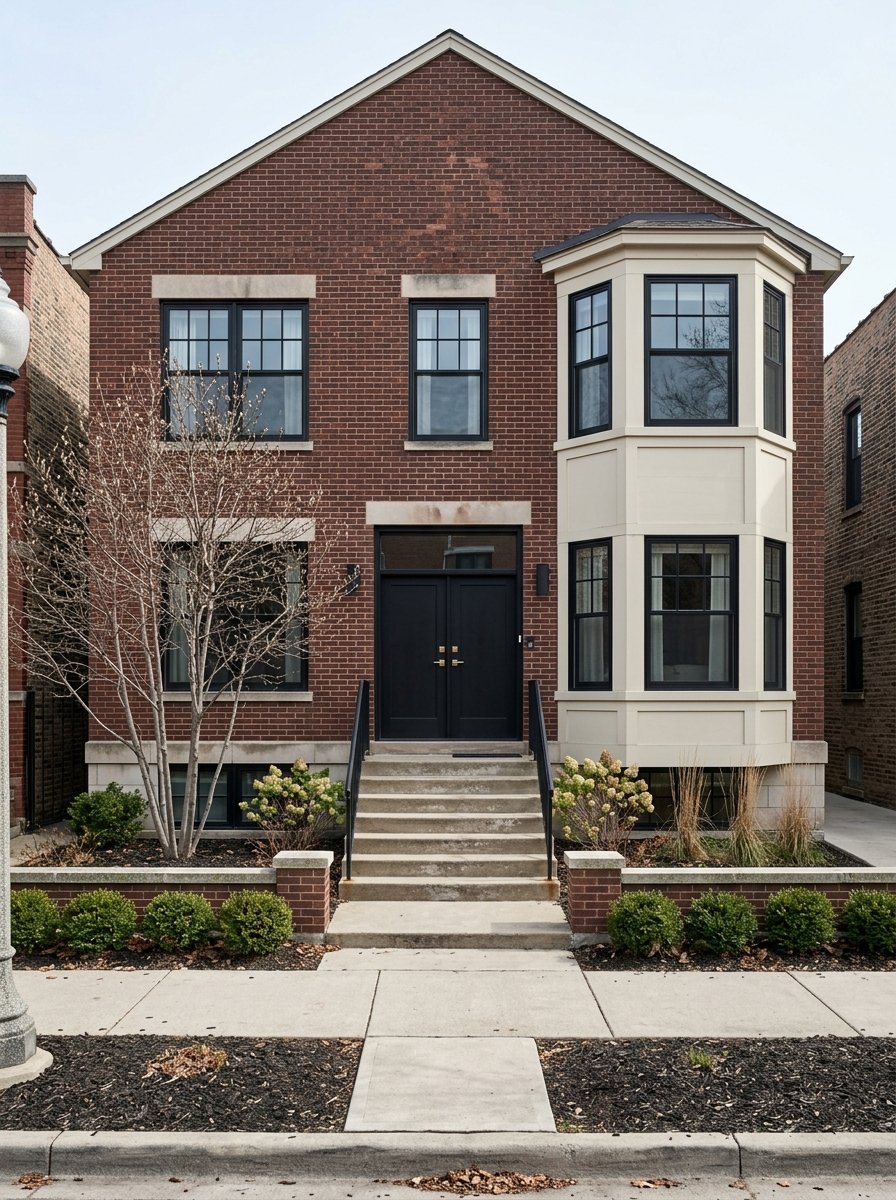
Thinking about buying a two-flat in Rogers Park and letting rent help cover your mortgage? That strategy can work, but the details matter more than most buyers expect. If you want to house hack in this lakefront Chicago neighborhood, you need to understand the property type, financing rules, and due diligence steps before you make an offer. Let’s dive in.
Why Rogers Park Works for House Hacking
Rogers Park gives you a combination that many house hackers look for: older multi-unit housing, strong transit access, and a neighborhood identity that can appeal to renters. According to Choose Chicago’s Rogers Park neighborhood guide, the area is known for its lakefront setting, arts scene, dining options, and broad cultural diversity.
That local mix matters when you are living in one unit and renting the other. You are not just buying a home. You are also buying a location story that can help you attract tenants over time.
Transit helps renter appeal
Transit is one of the clearest selling points in Rogers Park. The CTA Red Line runs 24 hours and serves the area through stations like Howard, Jarvis, Morse, and Loyola. Rogers Park is also served by the Metra UP-N line, which adds another commuting option.
If you are comparing blocks, proximity to stations can help you explain why a renter may want to live there. That does not guarantee rent levels or vacancy outcomes, but it does support the neighborhood’s practical appeal.
Amenities strengthen the location story
Rogers Park also has several well-known neighborhood corridors you can point to when evaluating tenant demand. Choose Chicago highlights the Glenwood Avenue Arts District, Jarvis Square, Howard Street, and the lakefront and beach trail system as walkable destination areas.
For a house hacker, that matters because tenants often care about day-to-day convenience. Being near transit, retail corridors, restaurants, and the lakefront can make a two-flat easier to market when a unit turns over.
What a Rogers Park Two-Flat Looks Like
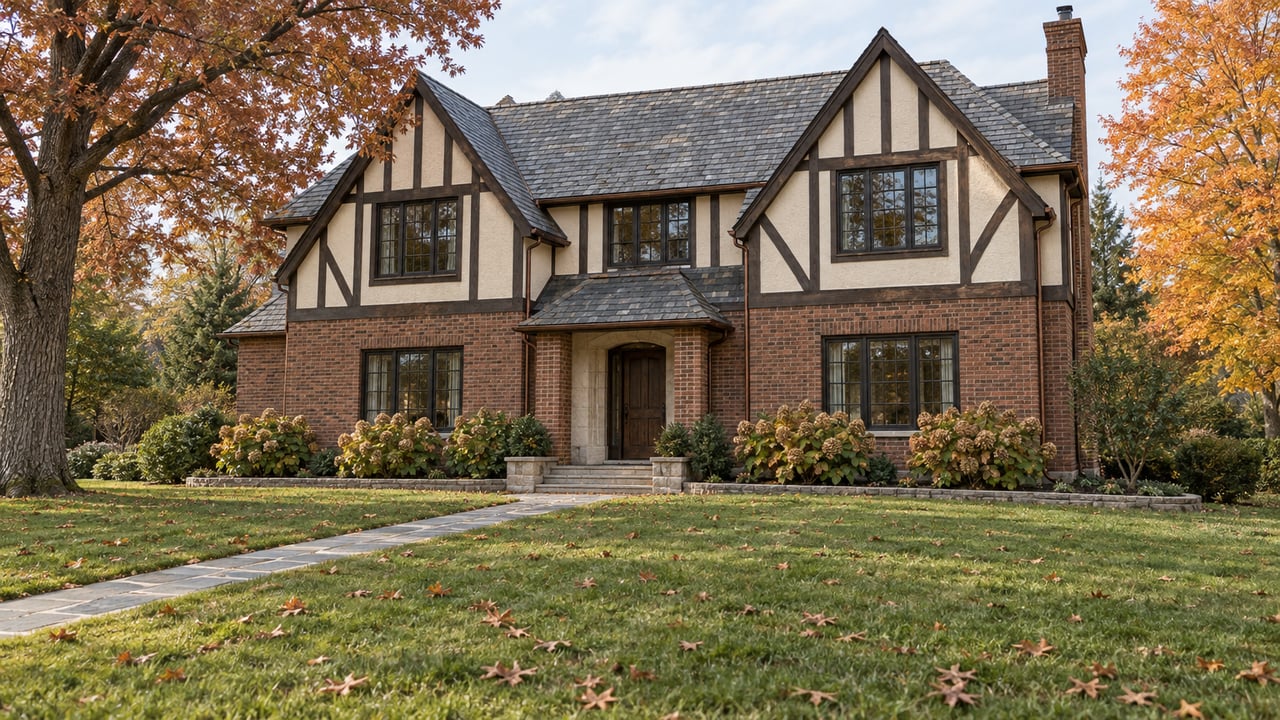
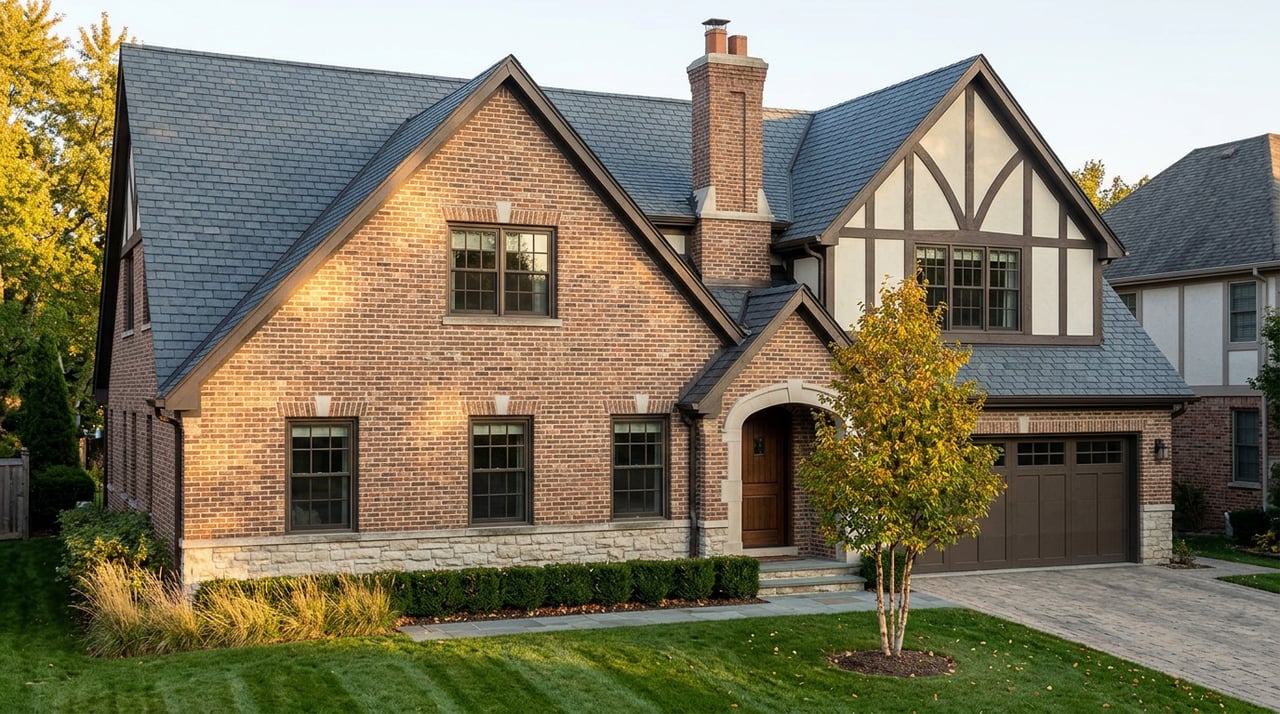
Rogers Park has the kind of housing stock many buyers picture when they think about house hacking in Chicago. The Rogers Park Business Alliance development guide notes that local greystones are often two to three stories tall and commonly contain two to three flats.
That older housing stock can create opportunity, but it can also bring more complexity. A building may have charm and income potential while still needing close review of layout, utilities, permits, and legal unit status.
Confirm it is truly a two-unit property
One of the biggest mistakes buyers make is assuming a building is a legal two-flat just because it looks like one. For financing and appraisal purposes, Fannie Mae explains that the line between a one-unit property with an accessory dwelling unit and a two- to four-unit property can depend on factors like separate utility meters, a unique postal address, and whether the unit can legally be rented.
That means you should verify how the property is classified before you rely on projected rental income or choose a loan program. A listing description alone is not enough.
Be careful with basement or attic units
If a basement or attic space is set up like an extra apartment, slow down and verify what it actually is. Fannie Mae’s guidance says accessory dwelling units are not permitted with a two- to four-unit dwelling, and an ADU must include separate ingress and egress plus kitchen, sleeping, and bathing facilities.
In plain terms, an unofficial third unit can affect financing, appraisal treatment, and your long-term plans for the property. If you are buying for house hacking, legal use matters just as much as square footage.
Check how utilities are metered
Utility setup can affect both management and monthly costs. According to HUD’s utility explanation, individually metered systems create separate accounts, while master-metered systems are billed at the building level.
If utilities are shared, you need to understand how that affects your budget. In a house hack, that can change the math more than buyers expect, especially in an older building.
Financing Options for House Hacking
The good news is that several owner-occupied loan programs may work for a Rogers Park two-flat. The bigger point is that these programs generally expect you to live in the property as your primary residence.
FHA can be a common starting point
FHA financing can be used for one- to four-unit properties, which is why many first-time house hackers start there. HUD says the down payment can be as low as 3.5% of the purchase price.
There is an important occupancy rule, though. HUD also states that at least one borrower must occupy the property within 60 days of signing and intend to continue occupancy for at least one year.
Before you shop, it is smart to check the current FHA mortgage limits for Cook County. Limits are updated by unit count and market area, so you want current numbers, not old online estimates.
Conventional financing may also work
If you are considering conventional financing, there are owner-occupied options for multi-unit properties. Freddie Mac’s 2- to 4-unit mortgage program is designed for owner-occupied primary residences, and Freddie says documented rental income from the other units may help with housing expense and debt-to-income calculations.
Fannie Mae HomeReady is another option to explore. Fannie describes it as a principal-residence-only product with down payments as low as 3%, and its materials say rental income from the subject property can be used for two- to four-unit principal residence properties.
Can rent help you qualify?
In many cases, yes, but the rules depend on the loan product and underwriting file. Both Freddie Mac and Fannie Mae allow rental income in certain owner-occupied two- to four-unit scenarios.
That does not mean every buyer will qualify the same way. Your lender will need to review the property, lease setup, and your overall financial profile.
Due Diligence Before You Buy
A strong house hack starts with disciplined due diligence. You want to think like both an owner and an operator.
Review permits and inspection history
Chicago building records can reveal useful clues, but they should not be treated as a guarantee. The city’s own building records notice states that permit issuance does not confirm work was performed in accordance with the Municipal Code.
That is a big point for older Rogers Park properties. A permit record may show that work was started or approved to begin, but it does not prove the finished result meets code today.
The same city records also show that issues like smoke detectors and carbon-monoxide detectors can come up in inspections. And because Chicago’s Certificate of Occupancy process depends on completed inspections and resolved deficiencies, unresolved items can create delays or added costs.
Verify zoning and future plans
If you plan to reconfigure space, legalize a unit, or change how part of the building is used, start with the city’s tools early. The City of Chicago zoning map can be searched by address or intersection, which helps you confirm the zoning context before you invest more time and money.
For house hackers, this is especially important when a basement or rear area looks like an income opportunity. Potential is not the same thing as legal use.
Know your tax picture
Owner occupancy can affect your property tax situation. The Cook County Assessor says the Homeowner Exemption is generally available when the owner occupies the property as a principal residence.
If you are living in one unit and renting another, ask how that setup may affect your exemption eligibility and overall tax planning. It is worth confirming early so your monthly budget is realistic.
How to Evaluate the Numbers
House hacking is not just about buying a cheaper place to live. It is about making a smart, sustainable decision that still works when repairs, turnover, or shared utility costs show up.
As you compare two-flats in Rogers Park, focus on:
- Your full monthly payment, including taxes and insurance
- Expected rent from the other unit based on current market evidence from your lender and agent
- Utility setup, including whether systems are individually or master metered
- Repair reserves for older building systems
- Vacancy and maintenance planning
- Whether the property is clearly a legal two-unit building
A recent realtor.com Rogers Park market snapshot listed a median sale price of $239,000 and 62 homes for sale in January 2026. That is only a broad market reference, not a pricing rule for every two-flat, but it can help you keep neighborhood context in mind as you start your search.
Treat Your House Hack Like a Business
The buyers who do best with house hacking usually stay realistic. You are still living in your home, but you are also managing income property.
That means you need clear leases, reserves for repairs, and a plan for tenant communication and maintenance response. In a neighborhood like Rogers Park, where transit, campus access, retail corridors, and lakefront amenities all shape renter interest, the strongest results often come from buying carefully and managing consistently.
If you want help evaluating a Rogers Park two-flat, understanding renovation potential, or sorting through the details that can make or break a house hack, Ivonne Payes can help you look at the property with both a homeowner’s and an investor’s eye.
FAQs
Do you have to live in a Rogers Park two-flat to house hack with FHA?
- Yes. HUD’s FHA guidance says at least one borrower must occupy the property within 60 days and intend to live there for at least one year.
Can rent from the other unit help you qualify for a two-flat mortgage?
- In some cases, yes. Freddie Mac and Fannie Mae both allow rental income in certain owner-occupied multi-unit scenarios.
What should you check if a Rogers Park two-flat has a basement apartment?
- Verify whether the space is a legal unit and how it is classified, because Fannie Mae says classification affects financing and appraisal treatment.
Why do utility meters matter when buying a Chicago two-flat?
- Utility setup affects how costs are billed and managed. HUD explains that individually metered utilities create separate accounts, while master-metered systems are billed at the building level.
How can you verify zoning for a Rogers Park multi-unit property?
- You can search the City of Chicago zoning map by address or intersection to review zoning context before planning changes or unit legalization.